Essential Skin Care for First Responders and Firefighters
Updated: Mar 29

First responders and firefighters face unique challenges daily, not just in their line of duty but also regarding their skin health. The combination of extreme temperatures, exposure to hazardous materials, and the physical demands of their jobs can take a toll on their skin. Understanding how to care for their skin is crucial for maintaining overall health and well-being. This blog post will explore essential skin care practices tailored specifically for first responders and firefighters.
Understanding the Skin's Needs
The skin is the body's largest organ and acts as a barrier against environmental factors. For first responders and firefighters, this barrier is constantly challenged. Here are some key factors that affect skin health in these professions:
Heat Exposure: Firefighters often work in extreme heat, which can lead to dehydration and skin irritation.
Chemical Exposure: First responders may come into contact with hazardous materials that can cause allergic reactions or skin damage.
Physical Stress: The physical demands of the job can lead to skin abrasions and other injuries.
The Importance of Hydration
With long calls, heat, and heavy sweating, hydration isn’t only about drinking more, it’s also about replacing what you lose. Many people find they feel better when they focus on mineral-supported hydration, not just “plain water,” by adding quality sea salt to water or using mineral drops (especially during high-sweat days).
Just as important is what you fuel your body with day to day: aiming for foods closest to the earth, minimizing ultra-processed ingredients, and avoiding processed sugar + seed oils and preservatives, when possible. Prioritize quality animal protein such as eggs, grass fed beef, bone broths, salmon + quality fats like avocado, olive oil, and butter, to support overall resilience + cognitive health, including long-standing blood sugar stabilization. Fruits will gift epic energy alongside these foods and more hydration your body will fully utilize.
*Note: This is general wellness information and not medical advice. Hydration and electrolyte needs vary—especially with intense heat exposure—so consider speaking with a qualified healthcare professional for personalized guidance.*
Carry a Water Bottle: Always have a refillable water bottle on hand.
Consume Hydrating Foods: Incorporate fruits and vegetables with high water content, such as cucumbers and watermelon, into your diet.
Keep quality sea salt in a little container. Add to water for optimal hydration. Cheap and easy + effective.
Specialized Skin Care Products
Choosing the right products is crucial for effective skin care. Here are some recommendations tailored for first responders and firefighters:
Cleansers
Opt for gentle, sulfate + sls free cleansers that won’t strip the skin of its natural oils. Keep it simple.
Moisturizers
Use primal ingredients or opt into a good Tallow based cream for deep skin support that lasts hours. Check out www.primalbeeauty.com for ancestral skincare for the whole home.
Sunscreen
Mineral sunscreens with zinc oxide and natural oils are best (carrot seed or raspberry seed oil are fantastic) Avoid petrochemicals and toxic conventional sunscreens!
'Treatment Product'
Simple natural ingredients. Again, tallow + cold pressed oil based and only therapeutic grade essential oils will do.
Protecting the Skin During Duty
While a solid skin care routine is essential, protection during duty is equally important. Here are some strategies to protect the skin while on the job:
Wear Protective Gear
Proper protective gear is crucial for minimizing skin exposure to harmful elements. Ensure that gear fits well and is in good condition. Regularly inspect and clean gear to prevent the buildup of harmful substances.
Use Bunker Buddy Balm
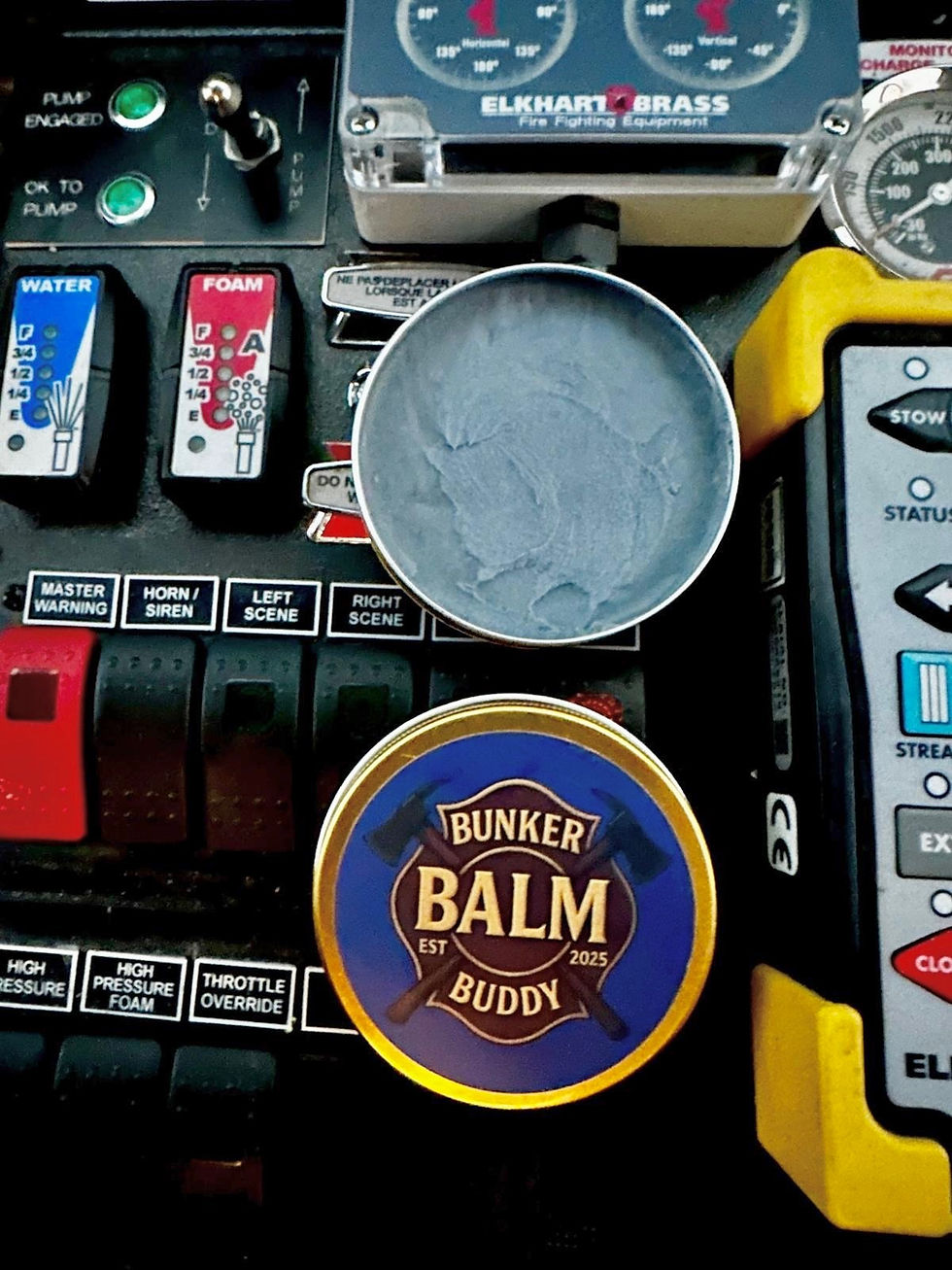
BB balm is first of its kind and greatly needed. True health stems from preventative practice.
Addressing Common Skin Issues
First responders and firefighters may encounter specific skin issues due to their work environment. Here are some common problems and how to address them:
Heat Rash
Heat rash occurs when sweat ducts become blocked or residues are irritating skin while heated/perspiring.
Wear loose-fitting clothing made of natural fabrics. Cotton, wool, linen, hemp, bamboo.
Stay hydrated
Bunker Buddy Balm is a fantastic skin armour to help with chaffing + irritations.
Chemical Burns
Exposure to hazardous materials can lead to chemical burns. If you suspect a chemical burn:
Rinse the affected area with cool water immediately.
Seek medical attention if the burn is severe or does not improve.
Dry Skin
Dry skin can result from frequent washing and exposure to harsh elements. To combat dry skin:
Use a humidifier in your home or living quarters. A quality Young Living diffuser + YL oils are smart!
Apply moisturizer immediately after washing to lock in moisture.
The Role of Nutrition in Skin Health
What you eat can significantly impact your skin's health. A balanced diet rich in vitamins and minerals can help support skin repair and hydration. Here are some key nutrients to focus on:
Omega-3 Fatty Acids + Healthy Animal Fats
Found in fish, flaxseeds, and walnuts, omega-3 fatty acids help maintain skin barrier function and reduce inflammation. Healthy pasture raised, organic animal fats are incredible for skin health + cellular protection. Grass fed beef, bone-in meats, bone broths, eggs and tallow are superior.
Antioxidants
Fruits and vegetables rich in antioxidants, such as berries, papaya, spinach, squashes, sweet potatoes, carrots, can help protect the skin from oxidative stress.
Vitamins A, C, and E
These vitamins play crucial roles in skin health. Vitamin A supports cell turnover, vitamin C aids in collagen production, and vitamin E helps protect against UV damage.
Seeking Professional Help
If skin issues persist or worsen, it’s essential to seek help from a dermatologist. They can provide tailored advice and treatment options based on individual skin types and concerns.
Regular Skin Check-Ups
Regular skin check-ups can help identify potential issues early. First responders should consider scheduling annual appointments with a dermatologist to monitor skin health.
Conclusion
First responders and firefighters face unique challenges that can impact their skin health. By adopting a consistent skin care routine, using protective measures, and focusing on nutrition, they can maintain healthy skin despite the demands of their profession. Remember, taking care of your skin is not just about appearance; it’s about overall health and well-being. Prioritize your skin care, and it will serve you well in your demanding role.
By implementing these essential skin care practices, first responders and firefighters can ensure their skin remains resilient and healthy, allowing them to focus on what they do best—serving and protecting their communities.


Comments